
Keeping Your Little One Safe
Being a mom means making a million choices a day, and one of the biggest is how to protect your child’s health. If you’ve been scrolling through social media or talking to friends, you might have heard different things about the measles vaccine. It’s natural to have questions.
To help you make the most informed decision, let’s look at the facts about measles—what it is, how it spreads, and why doctors are so concerned about it.
It’s More Than “Just a Rash”
Many people think of measles as a mild childhood illness that causes some spots and a fever. However, medical experts at the CDC categorize measles as a serious respiratory viral disease.
It doesn’t start with a rash. It usually begins with:
- A high fever (which can spike to over 104°F)
- A heavy cough
- A runny nose
- Red, watery eyes (conjunctivitis)
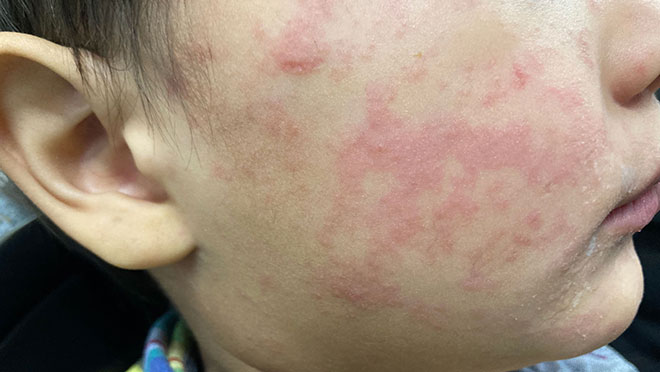
The signature red, blotchy rash doesn’t usually show up until 3 to 5 days after the first symptoms start. By the time the rash appears, a child has often been feeling very sick for several days.
The “Ninja” of Viruses
One of the most important things for moms to know is how incredibly contagious measles is. It spreads through the air when an infected person coughs or sneezes.
Here is the scary part: The virus can stay in the air for up to two hours after an infected person has left the room. This means your child could catch measles just by walking into a doctor’s waiting room or a grocery store aisle where an infected person was breathing an hour earlier.
In fact, if one person has measles, 9 out of 10 people around them who are not immune will also become infected.
Why the Risks are Real
While most children recover, measles can lead to serious, life-altering complications, especially in children under five years old. According to clinical data:
- Pneumonia: About 1 in 20 children with measles gets pneumonia, which is the most common cause of death from measles in young children.
- Encephalitis: About 1 in 1,000 children will develop swelling of the brain, which can lead to convulsions and can leave a child deaf or with an intellectual disability.
- Ear Infections: These occur in about 1 in 10 children and can result in permanent hearing loss.
- SSPE: This is a very rare but fatal disease of the central nervous system that can develop 7 to 10 years after a person has recovered from measles.
The Best Way to Protect Your Child
The reason we don’t see measles as often as we used to isn’t because the virus went away—it’s because of the MMR (Measles, Mumps, and Rubella) vaccine.
The vaccine is highly effective. One dose is about 93% effective at preventing measles if exposed to the virus, and two doses are about 97% effective. By vaccinating your child, you aren’t just protecting them; you are also protecting other babies who are too young to be vaccinated and children with weakened immune systems (like those fighting cancer) who can’t get the shot.
Making the Choice
Every mother wants her child to be healthy, happy, and safe. When considering whether to skip or delay the measles vaccine, it is important to weigh the very small risk of a vaccine side effect (usually a sore arm or a mild fever) against the very real and documented risks of the measles virus itself.
If you have concerns, the best thing you can do is sit down with your pediatrician. They can walk you through the schedule and answer your questions one-on-one, helping you give your little one the best start possible.
For more detailed clinical information, you can visit the CDC’s Measles Overview.